Yellow Bean Stew Recipe: A Hearty, Homestyle Meal Worth Coming Back To
There are certain meals that do more than fill the stomach. They settle the mind, warm the house, and bring a kind of quiet comfort that only homemade food can offer.
Yellow bean stew is one of those meals. It is simple, nourishing, budget-friendly, and deeply satisfying, the kind of dish that does not need fancy ingredients to leave a lasting impression. All it asks for is a little patience, a few everyday vegetables, and one pot ready to hold something good.
This yellow bean stew recipe begins the way many traditional comfort meals do: slowly. The beans are soaked overnight, the carrots are boiled until tender, and the stew base is built layer by layer with onions, tomatoes, ginger, garlic, and fresh cilantro.
Nothing is rushed, and that is part of what makes it special. With each step, the flavor deepens, and the texture becomes richer, until what started as a handful of pantry staples turns into a thick, flavorful stew that feels like home in every spoonful.
What makes this dish especially lovely is the balance it brings. The yellow beans are hearty and filling, the carrots add natural sweetness and body, the tomatoes create a rich, savory sauce, and the cilantro brightens everything at the end. It is the kind of meal that fits beautifully into everyday life.
You can make it for lunch, dinner, meal prep, or a family table that needs something warm and generous. It stretches well, tastes even better after sitting, and pairs easily with rice, chapati, ugali, or bread. In many homes, bean stew is more than just another recipe.
It is a dependable meal, one that shows up when you want to cook something wholesome without spending too much. It is for days when you need comfort, for evenings when you want leftovers waiting in the kitchen, and for moments when simple food is exactly the right food. That is the quiet beauty of a dish like this. It may not look extravagant, but it gives so much.
If you have been looking for an easy yellow bean stew recipe that is flavorful, practical, and comforting, this is one to keep close. It is straightforward enough for everyday cooking, yet rich enough to feel special once it reaches the table. More than that, it reminds us of something important: some of the best meals are built from ordinary ingredients cooked with care.
Why You Will Love This Yellow Bean Stew
One of the best things about yellow bean stew is how accessible it is. The ingredients are simple and affordable, but the final result feels rich, warm, and complete. It is the kind of dish that proves you do not need a long shopping list to create something satisfying.
This recipe works so well because each ingredient contributes something important. The yellow beans provide substance and protein. The carrots help create a naturally thicker sauce. The tomatoes add depth and acidity.
Onion forms the base of flavor, while ginger and garlic bring warmth and fragrance. Green pepper adds freshness, and cilantro ties everything together with a bright finish. The beef bouillon deepens the stew and gives it that slow-cooked, savory taste many people love.
It is also a flexible recipe. You can make the stew thick or add more stock for a lighter consistency. You can serve it on its own or with your favorite side. And if you are someone who loves leftovers, this recipe is especially rewarding because the flavors continue to develop after cooking.
Ingredients You Will Need
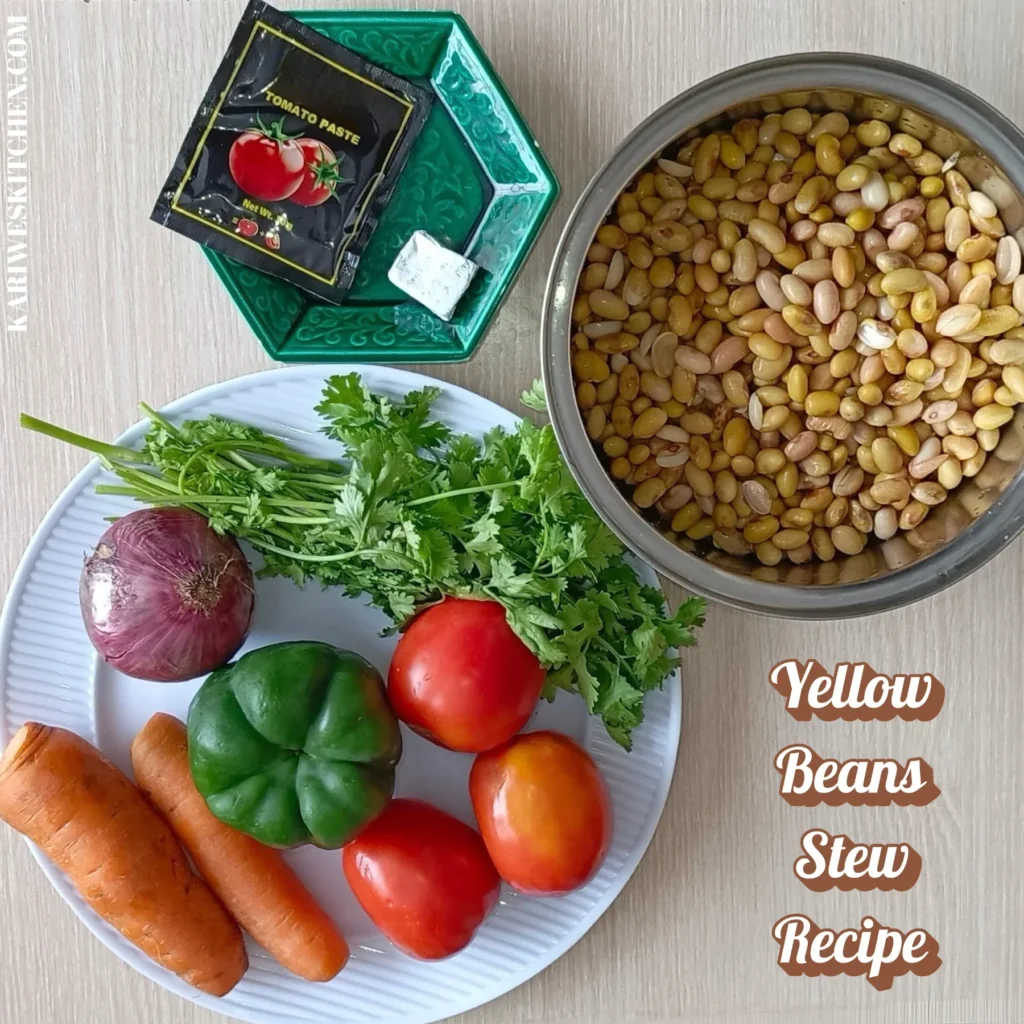
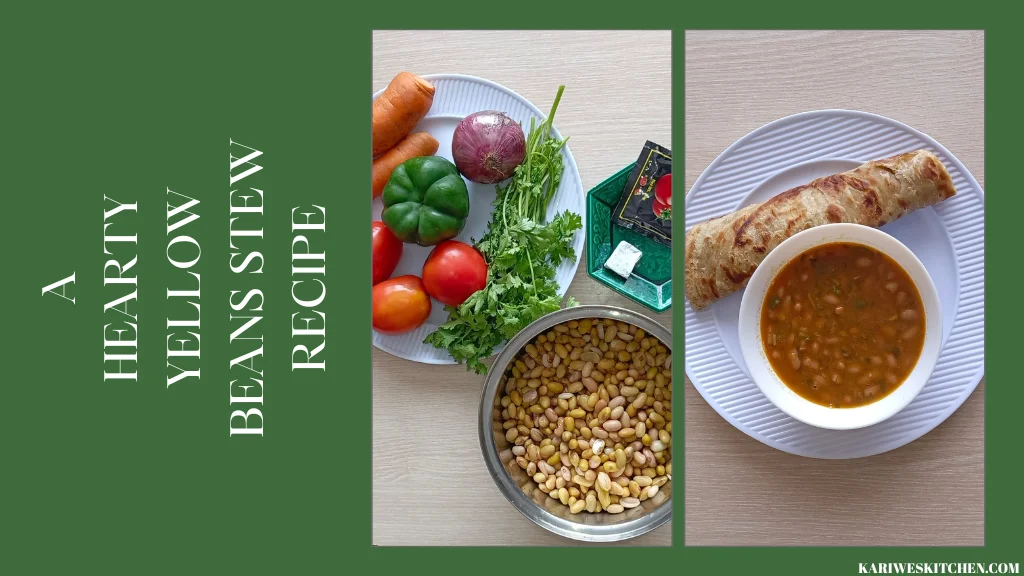
For this yellow bean stew recipe, you will need:
500 grams of yellow beans
2 carrots
1 large onion
3 medium tomatoes
1 green pepper
1 bunch cilantro
1 tablespoon ginger and garlic paste
1 tablespoon tomato paste
1 beef bouillon cube
3 tablespoons cooking oil
Salt to taste
These are all everyday ingredients, but together they create a stew that tastes layered and comforting.
Step One: Soak the Beans
Start by soaking the yellow beans for 8 hours. This step is important because it helps the beans soften, cook more evenly, and become easier to digest. Soaking also reduces cooking time, which is always helpful when working with dried legumes.
There is something deeply comforting about soaking beans overnight. It feels like the beginning of a promise. Before the actual cooking even starts, the meal is already on its way. By the next day, the beans are plump and ready, and half the work already feels done.
Step Two: Boil the Beans with the Carrots
Once the beans have soaked, boil them together with the whole carrots until both are soft. Cooking the carrots with the beans is a clever step because it saves time and prepares them for the stew base later.
The carrots might seem like a small detail, but they do a lot in this recipe. Once blended, they give the stew a naturally creamy, thick texture without using flour or cream. They also add a gentle sweetness that balances the acidity of the tomatoes. It is a simple trick, but it makes a big difference in the final dish.
When the beans are tender and the carrots are soft, set them aside to cool slightly before moving on to the next step.
Step Three: Blend the Carrots and Tomatoes
Take the cooked carrots and blend them together with the tomatoes until smooth. This mixture becomes the heart of the stew, giving it both flavor and body.
The tomatoes bring brightness and richness, while the carrots soften their sharpness and help create a velvety sauce. It is one of the smartest parts of this recipe because it turns basic vegetables into something that feels much more luxurious than expected. Instead of a watery bean stew, you get one with a beautiful texture that coats the beans well and tastes full in every spoonful.
Step Four: Build the Flavor Base
In a cooking pot, heat the oil and fry the chopped onions together with the chopped cilantro stems until the onions are translucent.
This step creates the first real layer of flavor. Onions cooked gently in oil become soft, sweet, and aromatic. Adding the cilantro stems at this point is a smart way to extract more flavor from the herb. Many people use only the leaves, but the stems carry a lot of taste and should not be wasted, especially in a stew like this.
Once the onions have softened, add the ginger and garlic paste. Fry until fragrant. This is where the kitchen starts to smell especially inviting. Ginger and garlic bring warmth, sharpness, and depth, instantly making the stew base feel richer and more alive.
Step Five: Add the Sauce Ingredients
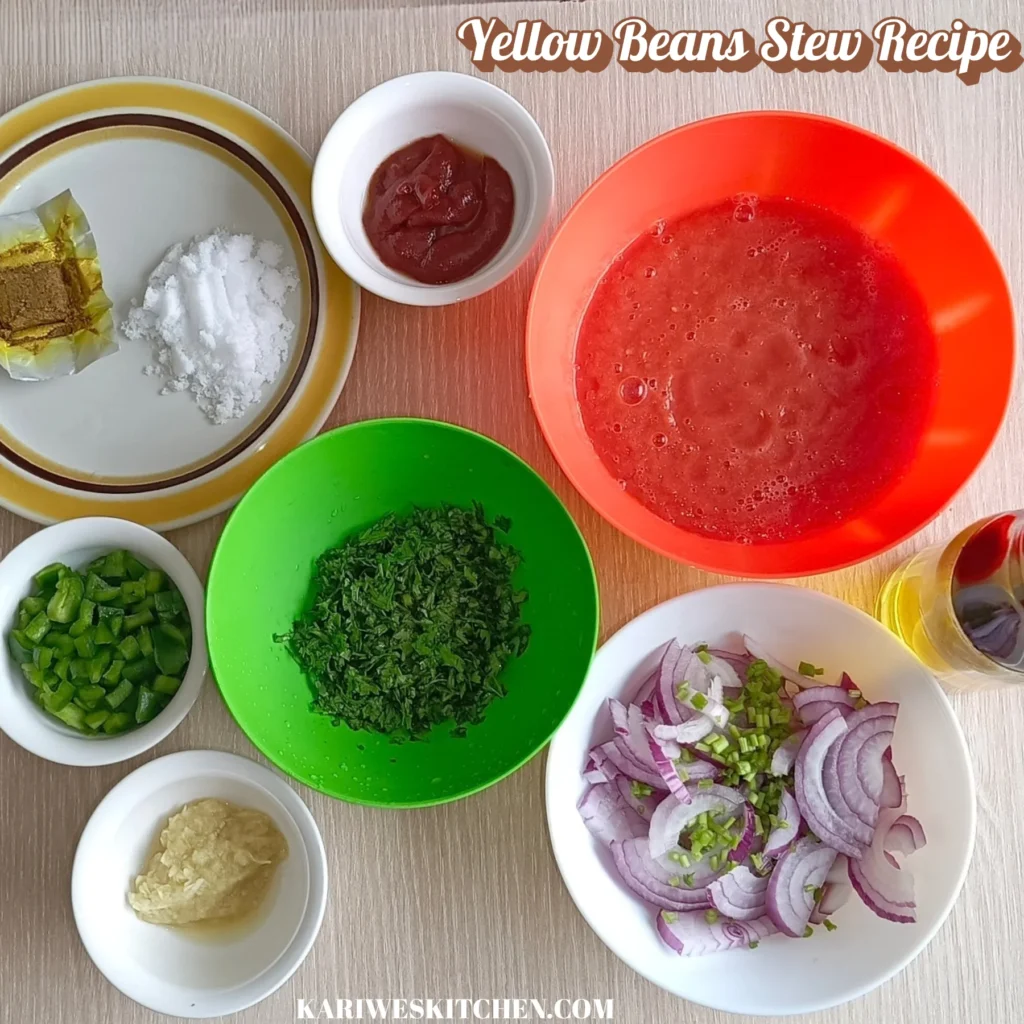
Pour the blended carrot and tomato mixture into the pot. Add the chopped green pepper, tomato paste, beef bouillon cube, and salt to taste. Stir everything together well and let it simmer until the tomatoes are fully cooked and the raw taste disappears.
This is where the stew begins to come together. The tomato paste strengthens the flavor and deepens the color. The bouillon cube gives the sauce a savory richness that makes the whole dish taste fuller. The green pepper adds a touch of freshness and texture.
Do not rush this part. Letting the sauce simmer properly is important because it allows the flavors to settle and develop. A good stew is built in stages, and this stage gives the entire dish its identity.
Step Six: Add the Beans
Now add the boiled beans to the sauce and mix well. Let them simmer together for 3 to 5 minutes so the beans can begin absorbing the flavor of the stew base.
This short simmer matters. It helps the beans move from being simply cooked to becoming part of the stew itself. They take on the richness of the tomato mixture, the sweetness of the carrots, and the warmth of the spices. The result is a more flavorful, more cohesive dish.
At this point, the stew is already looking beautiful. The sauce is rich, the beans are tender, and the aroma is the kind that makes everyone start wandering into the kitchen, asking when the food will be ready.
Step Seven: Adjust the Consistency
Add beef stock or water, depending on how thick or light you want the stew to be. Stir well, then let it simmer for about 10 minutes.
This is your chance to make the stew exactly the way you like it. Some people prefer a thick bean stew that sits heavily on the spoon, while others like a slightly looser version that pairs easily with rice or ugali. Both work well. The beauty of cooking at home is that you can adjust as you go.
During this final simmer, the flavors blend even more, and the stew becomes smoother and more balanced. It is often during these last minutes that the dish fully settles into itself.
Step Eight: Finish with Cilantro
Add the chopped cilantro leaves and simmer for 1 to 2 minutes. This final touch lifts the whole dish.
Cilantro adds freshness, color, and a clean finish that balances the richness of the beans and sauce. It keeps the stew from feeling too heavy and gives it that final layer of flavor that makes homemade food taste complete.
Once the cilantro is stirred in, your yellow bean stew is ready to serve.
Tips for the Best Yellow Bean Stew

To get the best results, make sure the beans are fully soaked before cooking. This helps them cook evenly and become tender without too much effort.
Let the tomato mixture simmer properly before adding the beans. Undercooked tomato sauce can taste sharp, while well-cooked tomatoes give the stew a deeper and more rounded flavor.
Use the cilantro stems at the beginning and the leaves at the end. This builds more flavor and makes full use of the bunch.
Add your stock or water gradually so you can control the consistency. It is easier to loosen the stew than to thicken it later.
Finally, taste before serving. Since bouillon cubes can vary in saltiness, it is always a good idea to adjust seasoning at the end.
What to Serve with Yellow Bean Stew
One reason this recipe is so practical is that it pairs well with many different sides. Steamed rice is one of the best options because it absorbs the rich sauce beautifully. Chapati is also an excellent choice, especially if you enjoy scooping the stew by hand. Ugali makes it even heartier and turns it into a deeply filling meal. If you want something simple, serve it with a slice of crusty bread for an easy and comforting plate.
The stew is flavorful enough to stand on its own, but the right side makes it even more enjoyable.
Why This Recipe Belongs in Your Kitchen
This yellow bean stew recipe is the kind of meal that earns its place in regular rotation. It is affordable, filling, and made with ingredients many people already have at home. It does not rely on complicated techniques or expensive items, yet it delivers the kind of comfort people come back to again and again.
It is also excellent for meal prep. A big pot can feed a family, provide leftovers, or save you on days when you do not feel like cooking from scratch. And like many stews, it often tastes even better the next day after the flavors have had more time to settle.
That is part of what makes this recipe so valuable. It is not just delicious in the moment. It keeps being useful long after the first serving.
Conclusion
By the time this yellow bean stew is ready, the kitchen feels warmer, the air smells richer, and the meal somehow carries more than just flavor. It carries care. It carries patience. It carries that special kind of comfort only slow, homemade food can bring.
This is the beauty of yellow bean stew. It takes a handful of ordinary ingredients and turns them into something deeply satisfying. The beans make it hearty, the carrots bring body, the tomatoes create richness, and the cilantro finishes it with freshness. Nothing is wasted, nothing is overdone, and yet the final pot feels generous and complete.
It is the sort of meal that suits everyday life perfectly. You can cook it for your family, save it for leftovers, or serve it when you simply want something warm and grounding. It is practical, yes, but also quietly special. And often, those are the recipes that matter most.
So the next time you want a meal that is simple, wholesome, and full of home-cooked goodness, let this yellow bean stew recipe be the one. Soak the beans, build the sauce slowly, and let the pot simmer until everything comes together. Then serve it hot and enjoy the kind of meal that never needs to show off to be unforgettable.