The Secret to Perfectly Soft Homemade Buns: A Warm Kitchen Story Worth Sharing
There is something magical about the smell of freshly baked buns drifting through the house. It is the kind of aroma that slows people down. Conversations become softer, footsteps wander toward the kitchen, and suddenly everyone wants to know what is in the oven.
For me, soft buns have always carried a sense of comfort. They remind me of slow afternoons, flour-dusted countertops, and the simple joy of pulling apart a warm bun while steam escapes into the air. Homemade bread has a way of making a house feel alive. And while many people think baking bread is complicated, these soft buns prove otherwise.
This recipe is beautifully simple, made with pantry staples you probably already have at home. No fancy ingredients. No complicated techniques. Just soft, fluffy buns with a golden top and a tender center that practically melts in your mouth.
Whether you want something comforting for breakfast, an easy side for dinner, or homemade buns for sandwiches and burgers, this recipe delivers every single time. It is beginner-friendly, budget-friendly, and most importantly, deeply satisfying.
So tie on your apron, clear a little space on the counter, and let us make the kind of buns that disappear almost as quickly as they cool.
Why Homemade Soft Buns Are Always Worth It
Store-bought buns may be convenient, but homemade buns have a personality of their own. They are softer, fresher, and filled with warmth you simply cannot package on a supermarket shelf.
The beauty of baking your own buns is that you control everything: the texture, the freshness, and even the size. Want slightly sweeter buns? Add a touch more sugar next time. Prefer smaller dinner rolls? Divide the dough into more portions. Baking at home gives you freedom.
And then there is the experience itself. Kneading dough can feel surprisingly therapeutic. Watching it rise feels almost magical. By the time the buns come out golden brown, you have created something comforting with your own hands.
These soft buns are perfect for:
- Breakfast with tea or coffee
- Sandwiches and sliders
- Dinner rolls alongside soup or stew
- School lunchboxes
- Afternoon snacks with butter and jam
- Burgers and mini sandwiches
Once you learn this recipe, it quickly becomes one of those dependable kitchen favorites you return to over and over again.
The Soft Buns Recipe
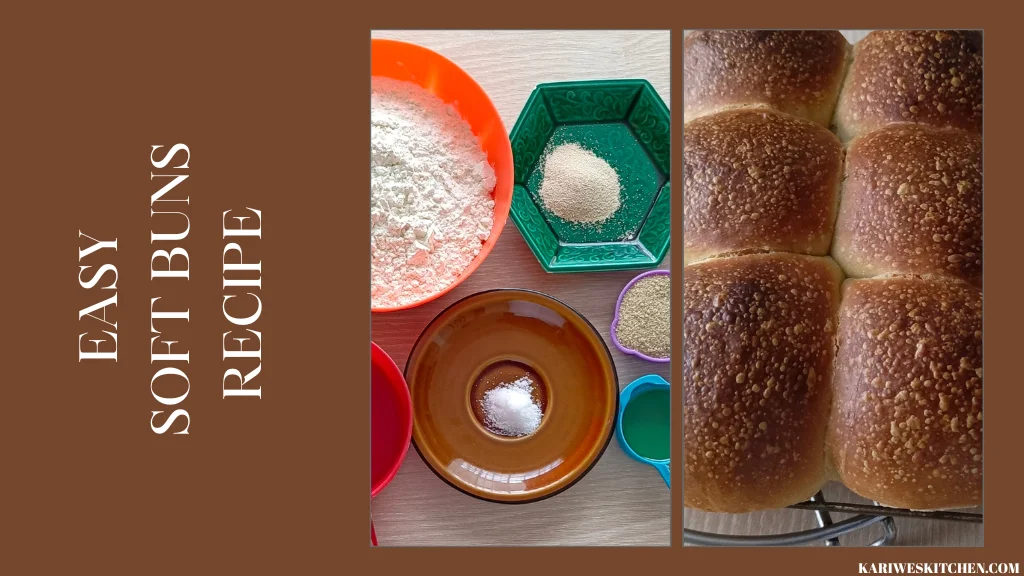
Ingredients
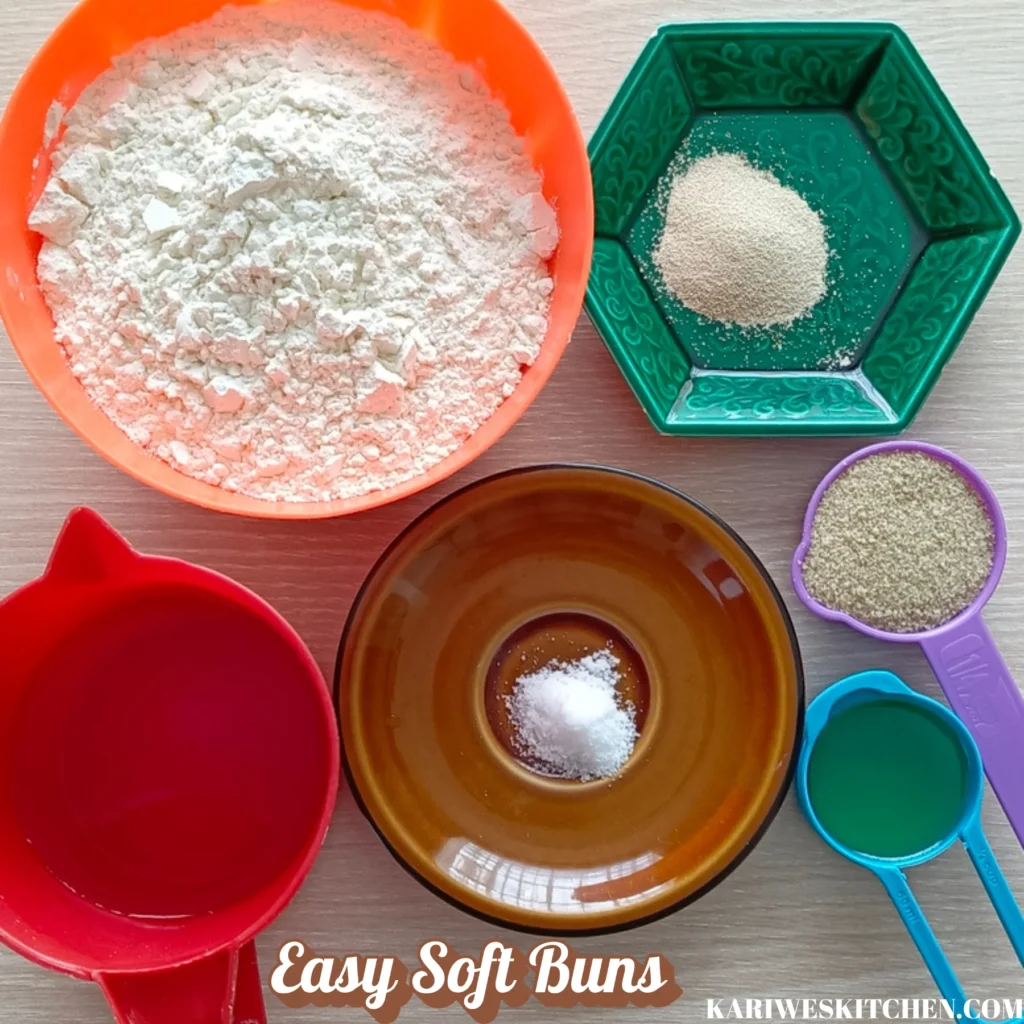
- 1 cup warm water
- 1 & 1/2 teaspoons yeast
- 1/4 cup sugar
- 1/4 cup oil
- 4 cups all-purpose flour
- 3/4 teaspoon salt
Step-by-Step Method of Preparation
Step 1: Activate the Yeast
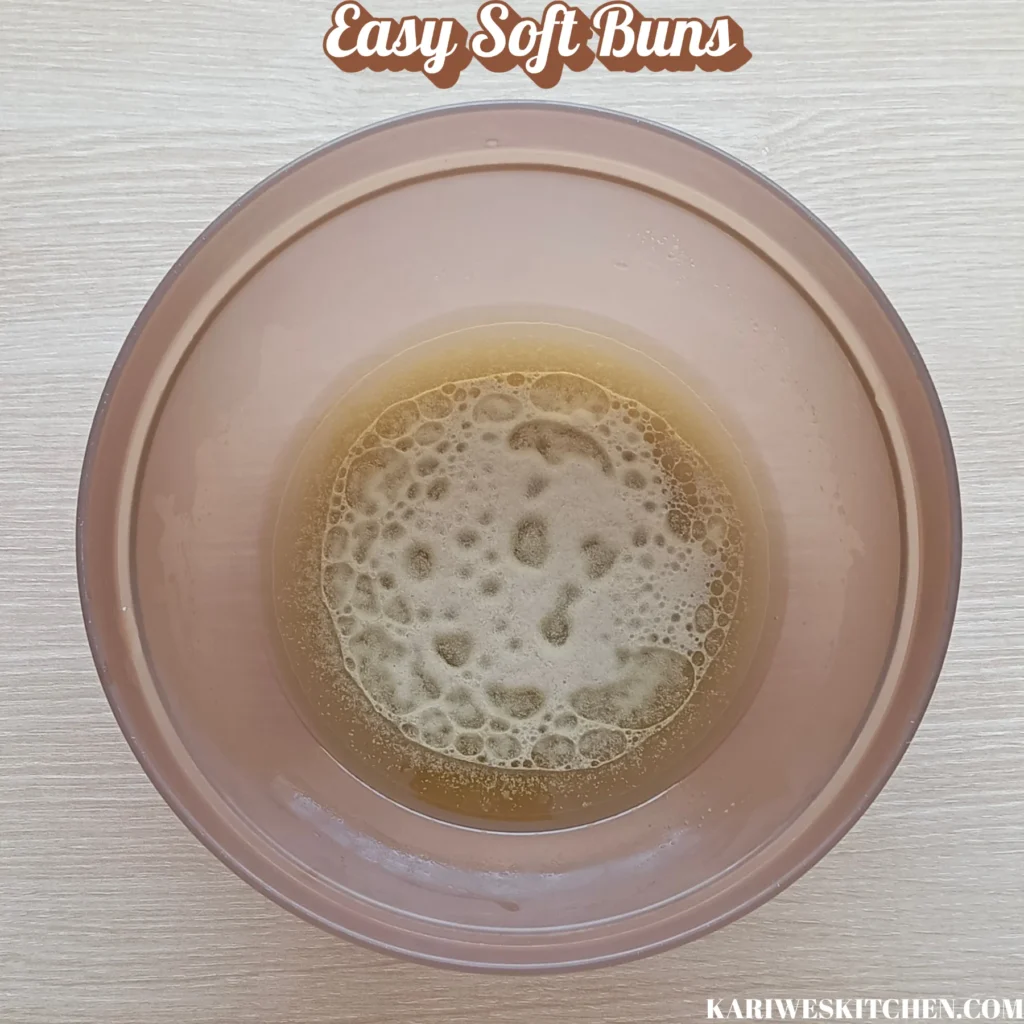
The first step is simple but important. In a bowl, combine the warm water, yeast, sugar, and oil. Stir everything together gently. Then comes the waiting.
Cover the bowl and let the mixture sit for 5 to 10 minutes. During this time, the yeast activates and becomes frothy on top. This little foamy layer is a sign that your yeast is alive and ready to work its magic.
One of the most common mistakes people make when baking bread is using water that is too hot. Warm water should feel comfortably warm to the touch, not burning hot. If the water is too hot, it can kill the yeast, and the dough will not rise properly. If, after 10 minutes, the mixture does not foam, your yeast may have expired or is inactive.
Step 2: Mix the Dough
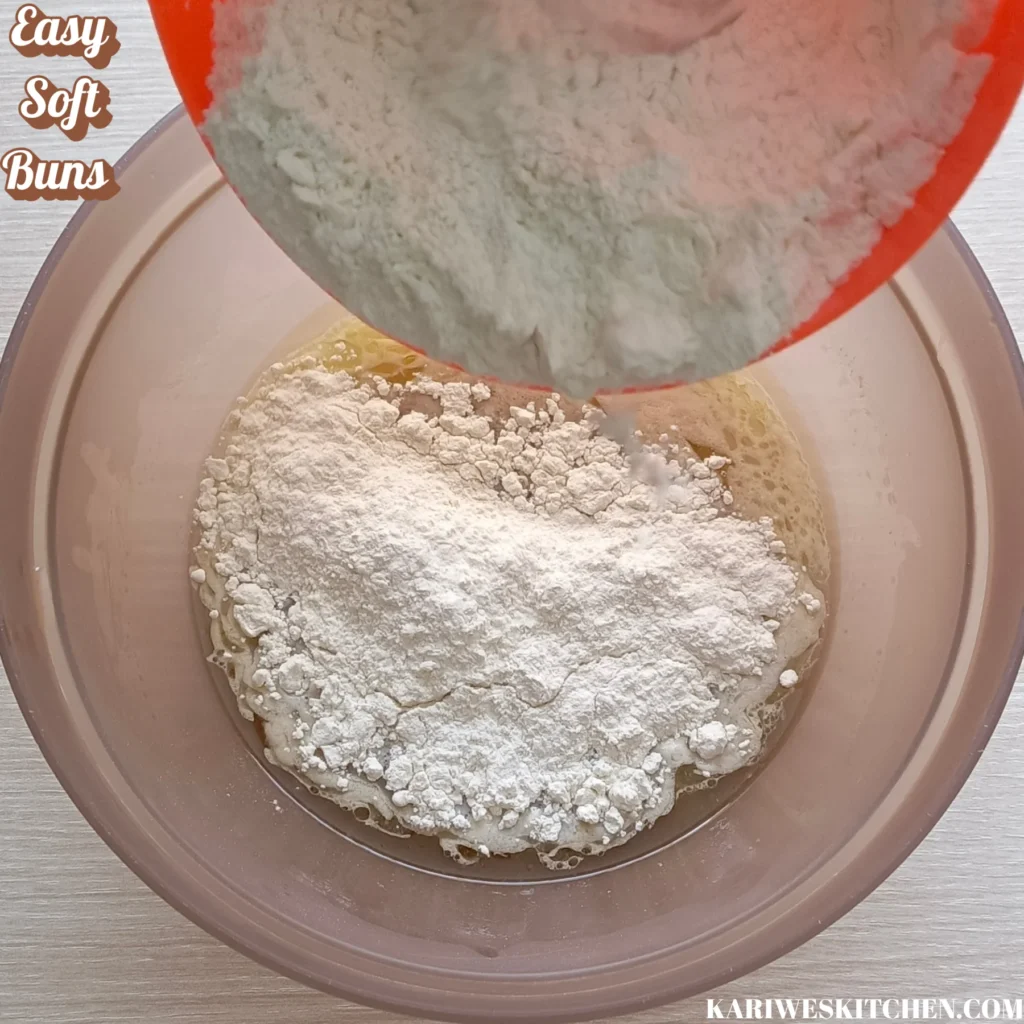
In another bowl, whisk together the flour and salt. Gradually add the flour mixture into the activated yeast mixture, stirring until a dough forms.
At first, the dough may look rough and shaggy. Do not worry, that is completely normal. Bread dough transforms beautifully during kneading. Once everything comes together, transfer the dough onto a lightly floured surface.
Step 3: Knead Until Smooth and Soft
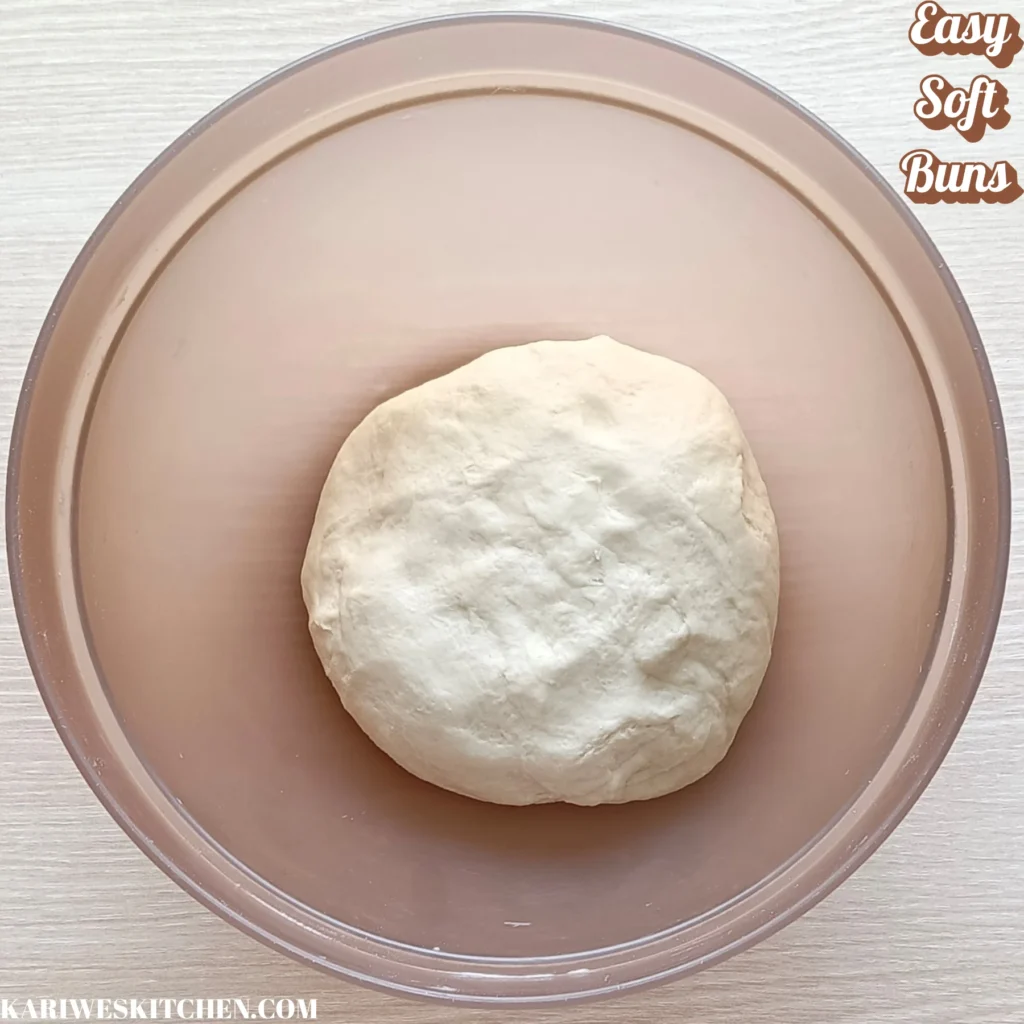
Now comes the heart of bread-making. Knead the dough by hand for about 10 minutes. If you are using a stand mixer, knead for about 5 minutes.
At the beginning, the dough may feel sticky and uneven, but as you continue kneading, it gradually becomes smooth, elastic, and supple. Kneading develops gluten, which gives the buns their soft texture and structure. Think of it as building the framework that traps air and creates fluffy buns.
There is something deeply satisfying about this step. The push, fold, and turn rhythm becomes calming after a while. You will know the dough is ready when it feels soft and slightly springy.
Step 4: Let the Dough Rise
Place the dough into a greased bowl and cover it with a damp cloth or plastic wrap. Now let time do the work.
Leave the dough in a warm place for about 1 hour or until doubled in size. This is where the magic happens. The yeast feeds on the sugar and releases gases that make the dough rise beautifully.
If your kitchen is cold, the dough may take a little longer to rise. You can place the bowl in a slightly warm oven (turned off) to help create a cozy environment for the dough.
Watching dough rise is one of the quiet joys of baking. What began as a simple lump slowly grows into something airy and full of life.
Step 5: Shape the Buns
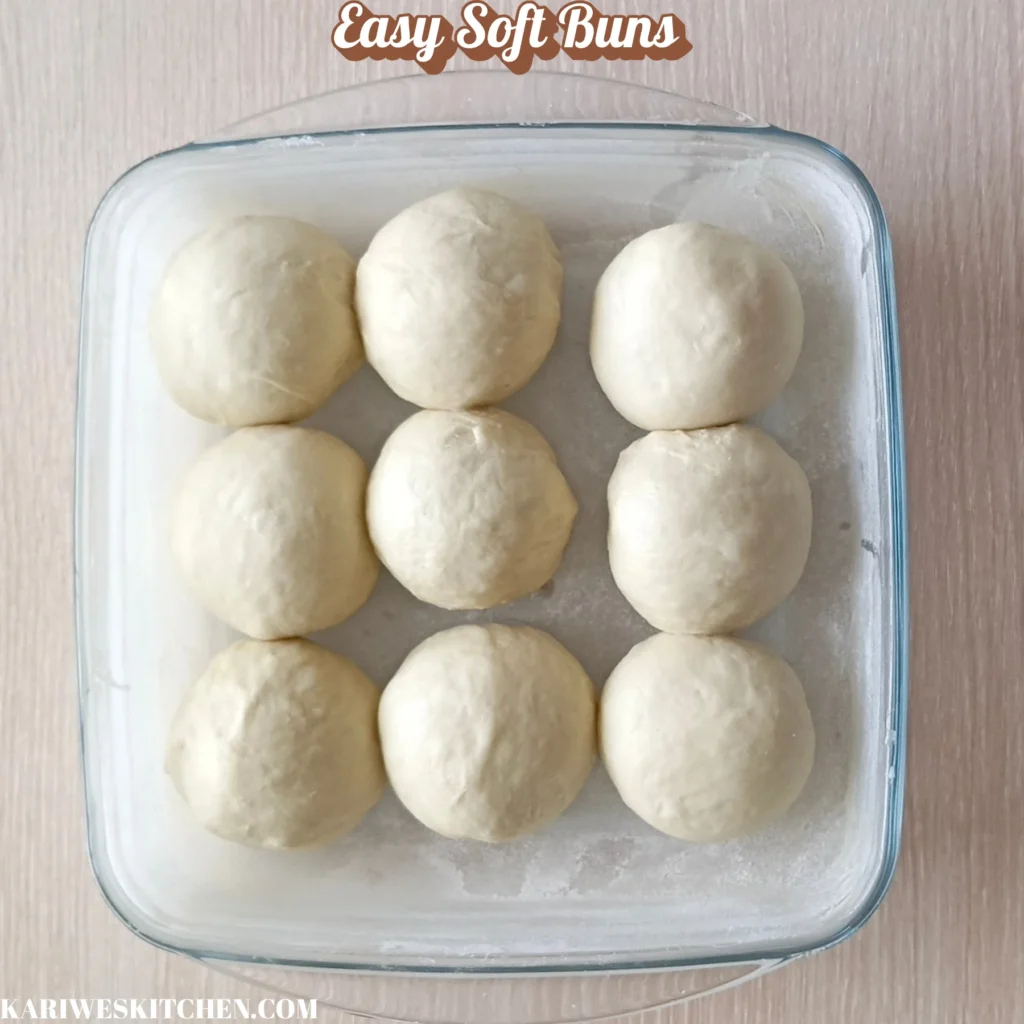
Once the dough has doubled in size, gently punch it down to release excess air. Divide the dough into 9 equal pieces. Roll each piece into a smooth ball by tucking the edges underneath until the surface becomes smooth and round.
Arrange the dough balls on a greased baking tray, leaving a little space between them. At this point, they already begin to look like buns, and the excitement builds.
Step 6: The Second Rise
Cover the tray loosely and let the buns rise again for 30 to 45 minutes. This second rise is incredibly important because it creates that light, fluffy texture everyone loves.
The buns should become puffy and slightly larger. Skipping this step often leads to dense buns, so patience truly pays off here. Meanwhile, preheat your oven so it is ready for baking.
Step 7: Brush and Bake
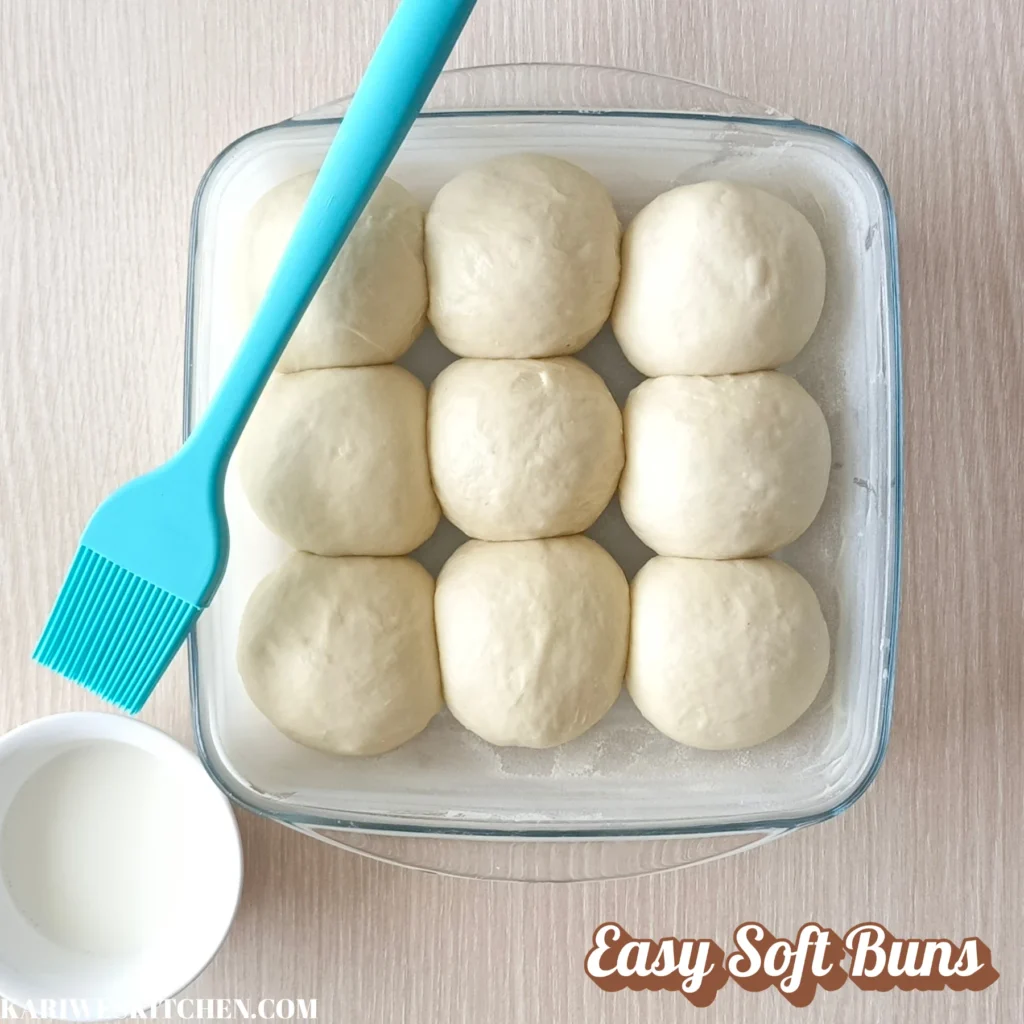
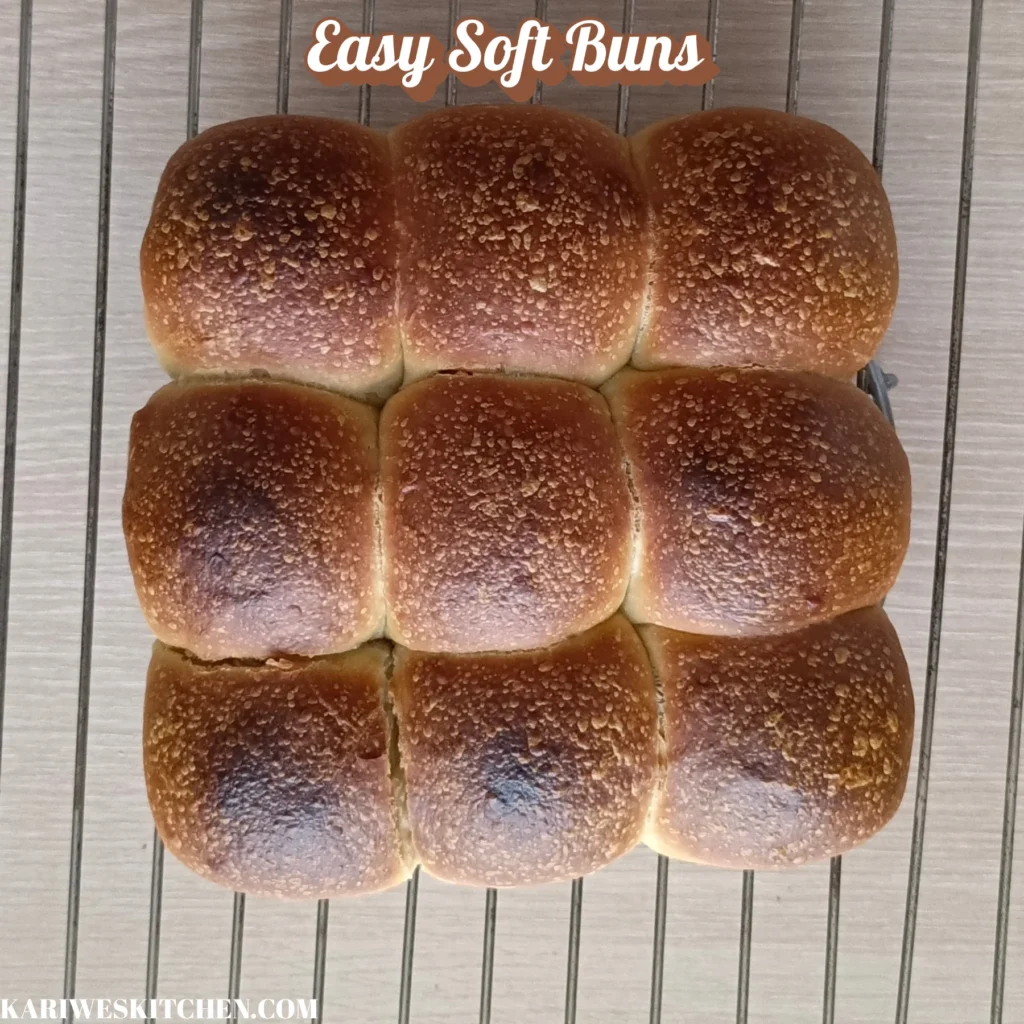
Before baking, brush the tops of the buns with a little milk. This simple step helps create that beautiful golden finish on top. Bake the buns for 15 to 30 minutes or until they turn golden brown.
Every oven behaves differently, so keep an eye on it during the final minutes. The tops should be lightly golden, and the kitchen will smell absolutely incredible.
Once baked, allow the buns to cool slightly before serving. Of course, resisting warm homemade buns is easier said than done.
Tips for the Softest Homemade Buns
1. Measure Flour Properly
Too much flour can make buns dry and dense. Instead of scooping flour directly with the measuring cup, spoon the flour into the cup and level it off gently. This small detail makes a surprisingly big difference.
2. Do not Rush the Rising Time
Bread dough needs time to develop flavor and texture. If the dough has not doubled in size yet, give it more time. Good bread rewards patience.
3. Use Fresh Yeast
Always check the expiry date on your yeast. Fresh, active yeast creates soft and airy buns, while old yeast often leads to flat, dense bread.
4. Avoid Overbaking
Overbaking dries out bread quickly. As soon as the buns turn golden brown, check them carefully. Soft buns should remain tender inside.
5. Brush with Butter After Baking
For extra softness and flavor, brush the hot buns lightly with melted butter immediately after baking. This keeps the tops soft and adds a delicious finish.
Delicious Ways to Enjoy Soft Buns
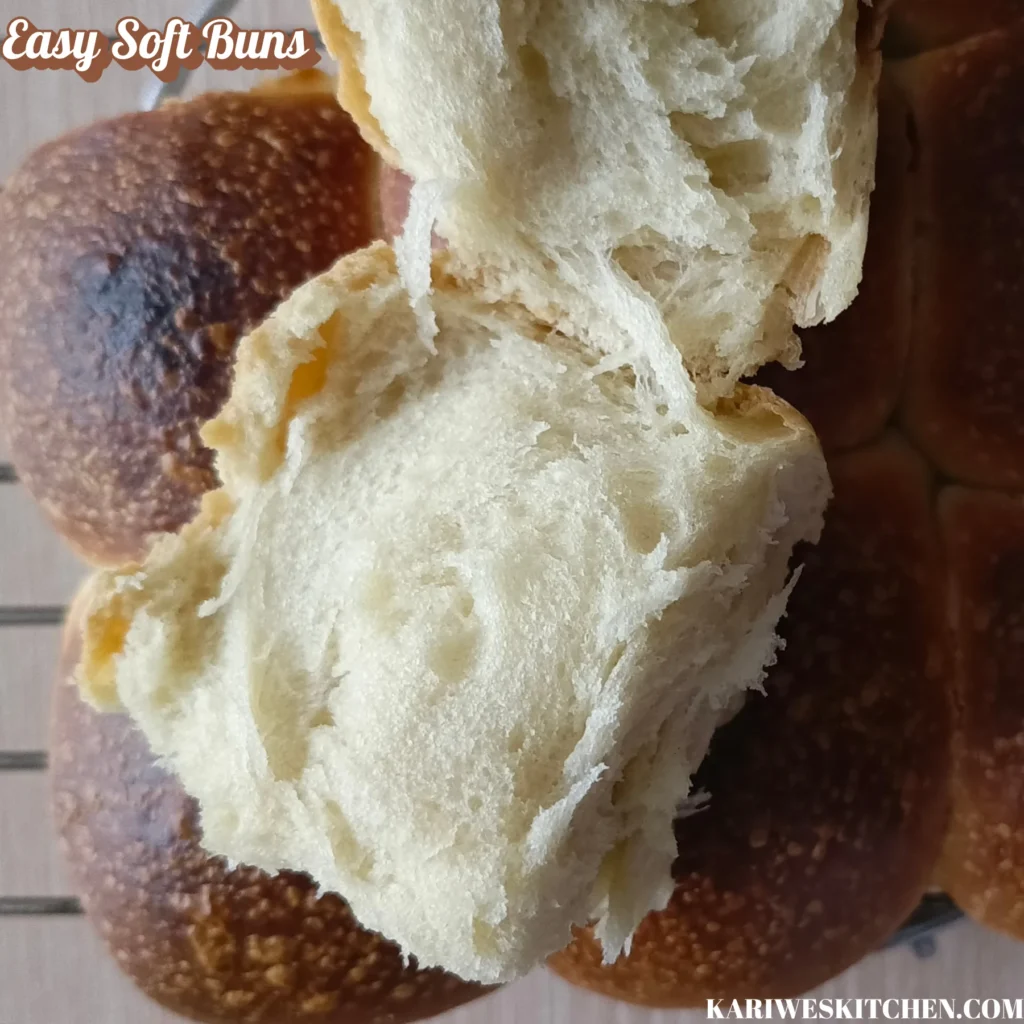
One of the best things about these buns is their versatility. You can enjoy them in so many ways, depending on the occasion.
- Breakfast favorite: Slice the buns in half and spread with butter, jam, peanut butter, or honey. Pair with tea or coffee for a cozy breakfast.
- Sandwich buns: These buns work beautifully for sandwiches. Fill them with eggs, chicken, vegetables, or cheese for a satisfying lunch.
- Burger buns: Their soft texture makes them excellent for homemade burgers.
- Dinner rolls: Serve warm alongside soup, stew, pasta, or roasted meat for a comforting meal.
- Sweet treat: Dust lightly with sugar or drizzle with icing for a simple sweet snack.
Why This Recipe Works So Well
What makes this recipe special is its simplicity. The sugar adds slight sweetness while helping feed the yeast. The oil keeps the buns soft and moist. The kneading develops structure, and the two rises create a fluffy interior. Everything works together in perfect balance.
Even beginner bakers can succeed with this recipe because the steps are straightforward and forgiving. Once you make these buns successfully for the first time, your confidence in bread-making grows instantly.
Common Mistakes to Avoid
- Using water that is too hot: Hot water can kill yeast quickly. Always use comfortably warm water.
- Adding too much flour: Sticky dough is normal at first. Avoid adding excessive flour during kneading.
- Skipping kneading: Proper kneading creates soft, structured buns.
- Under-proofing the dough: If the dough has not risen enough, the buns may turn out dense instead of fluffy.
- Opening the oven too often: Constantly opening the oven door can affect the baking temperature and interfere with rising.
A Recipe That Feels Like Home
There is a reason homemade bread recipes are passed from one generation to another. They carry more than ingredients. They carry memories.
These soft buns are the kind of recipe that becomes part of family routines. The kind children remember years later. The kind guests ask for before they leave.
You do not need a professional bakery setup to create something beautiful. Sometimes all it takes is flour, yeast, warm water, and a little patience.
And perhaps that is the real magic of baking, turning simple ingredients into something comforting enough to bring people together. So the next time your kitchen feels a little too quiet or your day needs a touch of warmth, make these soft buns. Because few things feel as comforting as breaking open a warm, homemade bun while it is still fresh from the oven.